


Trolley’d botanical field notes
Riberries, Syzygium luehmannii, bring tart fruit, warm spice and vivid colour to Trolley’d’s botanical drinks. Explore the native ingredient’s story, sourcing considerations and cocktail applications, then follow our syrup, infusion and kombucha recipes into cocktail classes and aviation-themed corporate hospitality.
Riberry: native summer fruit and cocktail spice
Red summer berries, sharp and bright,
A native spice note ready for flight.
Welcome to the sun-drenched days of summer, when Sydney’s gardens and planted landscapes can light up with clusters of red riberries. Known botanically as Syzygium luehmannii, and often called Small Leaved Lilli Pilli or Clove Lilli Pilli, this fruit has a flavour profile that feels made for drinks.
Its tartness sits alongside clove and cinnamon notes, with flavour varying between selections. The South Australian Native Foods Association’s riberry profile describes its culinary use and summer season. For Trolley’d, that combination gives a drink fruit, acidity, colour and spice without relying on a generic berry flavour.
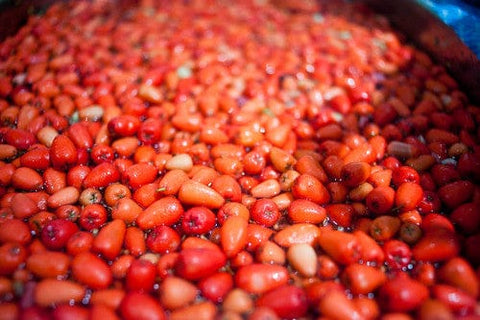
Botanical boarding pass
- Scientific name
- Syzygium luehmannii
- Common names
- Riberry, Small Leaved Lilli Pilli, Lilly Pilly and Clove Lilli Pilli.
- Family
- Myrtaceae, the myrtle family.
- Landscape
- Eastern Australian rainforest, alongside cultivated garden and landscape trees.
- In the glass
- Tart fruit, clove-cinnamon spice and red colour, shaped by the fruit and preparation.
Clean sourcing comes before the cocktail
Correct identification and a suitable source matter more than an abundant tree. Do not gather event ingredients from sprayed plantings, polluted roadsides, contaminated soil or gardens with an unknown treatment history. Obtain permission where required and follow appropriate washing, storage and preparation procedures.
Leave fruit for wildlife and respect local access and cultural considerations. This field note is not a substitute for reliable identification or a food-safety process. Our sourcing and sustainability approach explains how ingredient decisions fit into the wider hospitality programme.
Traditional and modern uses
The Native Foods Association records historical accounts of Aboriginal communities in New South Wales and Queensland eating riberries as a snack. That history belongs to those communities; it is not a hospitality invention. The association also describes contemporary uses in sauces, chutneys, jams, desserts and spirit infusions.
Trolley’d’s own field notes record riberry-infused gin, cocktail syrups, native fruit drinks and kombucha-style ferments. Tartness and spice give the fruit a clear role in a drink rather than treating it as an ornamental “native twist”.
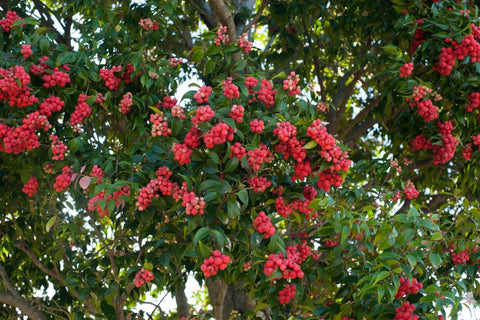
How riberry lands in a Trolley’d cocktail
Riberry brings a different balance to the space often occupied by cranberry, pomegranate, sour cherry or redcurrant. Its role depends on the drink: a bright syrup in a sour, a sharper shrub in a long drink, or a fruit-and-spice component in an infusion.
From ingredient to drink
- Riberry syrup: a starting point for sours, spritzes, Collins-style drinks and native fruit highballs.
- Riberry shrub: fruit, sugar and vinegar for a sharper cocktail or non-alcoholic serve.
- Riberry and calendula-infused gin: a combination recorded in Trolley’d’s botanical preparation notes.
- Riberry, lemon myrtle and mandarin kombucha: a fermentation project from the recipe journal. Fermentation can produce alcohol, so suitability for alcohol-free service requires verification.
- Riberry and finger lime Negroni: a tart fruit and citrus direction against a bitter aperitif structure.
- Riberry, rhubarb and strawberry gum Daisy: a seasonal combination of fruit, spice and native aroma.
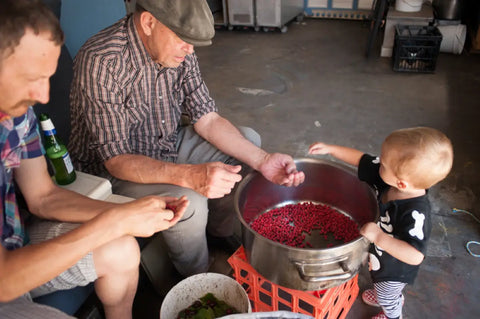
Make the syrup
Follow the existing Illawarra plum or riberry syrup method, then use the preparation in the drinks that suit it.
Read the syrup recipeThe cocktail journal
Discover recipes and preparation stories from the Trolley’d bar, then follow the ingredients into the finished drink.
Explore cocktail recipesContinue with the riberry, lemon myrtle and mandarin kombucha recipe, or explore the wider cocktail recipe journal.
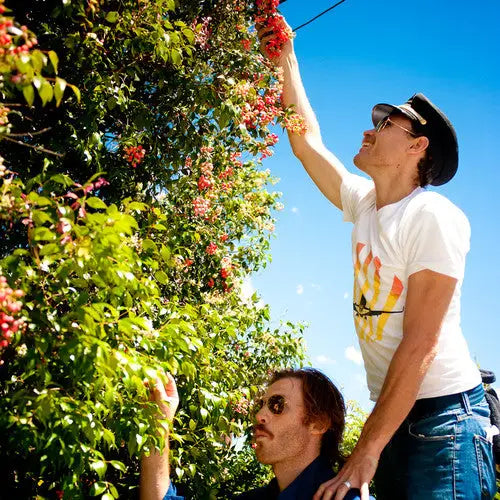
Culture, colour and a sense of place
Riberry belongs to the native food history of eastern Australia and to a living relationship between people and local flora. Naming the ingredient accurately, sourcing it carefully and respecting the origins of food knowledge are part of presenting it well.
Nutrition and phytochemistry without a wellness promise
Earlier versions of this field note discussed vitamin C, folate, minerals, anthocyanins and aromatic compounds including myrcene, pinene, limonene and phellandrene. Their presence or concentration needs appropriate analytical evidence. This cocktail article does not establish a nutrient-content claim, medicinal dose or clinical benefit.
What guests experience directly is the fruit’s colour, tartness, aroma and preparation. Those qualities are enough to give riberry a meaningful place in hospitality without presenting the drink as a treatment or supplement.
Sustainability in the service
Trolley’d brings seasonal ingredients, house-made preparations and upcycled airline trolleys into the same hospitality experience. Riberry’s role is practical: a fruit that can contribute to several preparations when sourcing, storage and the menu are planned together.
Explore the aircraft experience to see the aviation setting, or read how place and botanical storytelling meet in the Wylde Systems collaboration.

Continue through the ingredient library
Illawarra plum
A second native fruit story, connected to the same syrup method and a different flavour profile.
Explore Illawarra plumCalendula
Read the separate botanical profile before considering flowers, sourcing or garnish preparation.
Read the calendula profileFor another seasonal fruit perspective, continue to Mulberries: history and cocktail uses.
Riberry questions
What is riberry?
Riberry is Syzygium luehmannii, also known as Small Leaved Lilli Pilli or Clove Lilli Pilli. Its fruit is associated with eastern Australian native-food traditions and contemporary culinary use. Common names alone are not sufficient for plant identification.
What does riberry taste like?
Think tart fruit and warm clove-cinnamon spice. Individual selections, ripeness and preparation change the balance. Taste an appropriately sourced batch before deciding how much sweetness or acidity the drink needs.
Can riberries be used in cocktails?
Yes. Trolley’d’s preparation notes include syrups, shrubs, infused gin, sours, spritzes and native fruit drinks. Start with the riberry syrup recipe for a documented method.
What should I check before gathering riberries?
Verify the species, source, permission and treatment history. Avoid contaminated or chemically uncertain sites. A photograph or familiar common name is not enough to establish safe identification or suitability for service.
When are riberries in season?
The Native Foods Association gives a broad late-November to late-February season. Availability depends on growing conditions and the particular supply. An event menu should be confirmed against actual fruit availability rather than a calendar promise.
What ingredients does Trolley’d pair with riberry?
Our recipe and development notes include lemon myrtle, finger lime, strawberry gum, calendula, mandarin and rhubarb. The right pairing depends on the drink structure and the suitability of each sourced ingredient.
Can the experience include non-drinkers?
Yes. Discuss non-alcoholic cocktails when briefing the class or event. Fermented drinks and infusions need their own alcohol-content assessment and should not automatically be described as alcohol-free.
Can we book a riberry-led cocktail experience?
Enquire about a botanical class or corporate activation. Seasonal ingredients are selected for the date, location and brief; a particular fruit cannot be guaranteed before availability is checked. Include guest numbers, service window and the event objective.
Bring the ingredient story to your event
Trolley’d creates aviation-themed cocktail activations and hosted botanical experiences for corporate teams, agencies and selected private groups. The drink, the airline trolley bar and the service are planned as one experience.
Share your event date, location, guest count, service window and objective. Tell us whether you are exploring a class, a brand activation or an aircraft-led experience.
For a hands-on format, explore Trolley’d cocktail-making classes. For delivered work, browse our event stories.

Glossary
Botanical and cocktail terms
- Myrtaceae
- The myrtle plant family, which includes riberry.
- Anthocyanins
- Plant pigments associated with many red, purple and blue colours.
- Folate
- A B vitamin. Mentioning it does not establish the amount in a particular food or drink.
- Myrcene, pinene, limonene and phellandrene
- Aromatic compounds discussed in botanical literature. Their contribution depends on the plant and preparation.
- Shrub
- A fruit, sugar and vinegar preparation used in cocktails and non-alcoholic drinks.
Sources and further reading
Plant and culinary context: South Australian Native Foods Association, Riberry. Cocktail applications and photographs: Trolley’d’s original riberry field notes and the linked recipe journal. Cultural knowledge and health claims require their own attributable evidence; this page does not claim clinical benefit or cultural authority.