

Illawarra Plum: Podocarpus elatus, Daalgaal and Native Cocktail Colour
At a glance: Illawarra Plum, Podocarpus elatus, is not technically a plum, but a native Australian plum pine with deep purple edible flesh, resinous fruit character, and serious cocktail potential. At Trolley’d, it is an autumn ingredient for native syrups, kombucha, botanical cocktails, and colour-rich event storytelling.
Last updated: May 2026. Written for Trolley’d’s foraging and sustainable cocktail library.
Cabin Note from Trolley’d
This guide is part of Trolley’d’s wider foraging and botanical education series. Illawarra Plum is one of the strongest ingredients in the library because it has native Australian provenance, a proper autumn harvest story, dramatic colour, cocktail usefulness, and a real connection to Trolley’d’s past work with pop-up dinners, kombucha, and botanical drinks.
The correction: do not sell it as a cancer-prevention ingredient. Sell it as native fruit, colour, flavour, cultural history, antioxidant-rich food, and cocktail craft. Premium brands do not need fake medicine to make fruit interesting.
Deep purple fruit on ancient pine,
A Gondwanan note in the glass like wine.
Illawarra Plum: The Ancient Fruit That Isn’t a Plum
Autumn at Trolley’d brings a particular thrill: the Illawarra Plum harvest. Known botanically as Podocarpus elatus, and also called Plum Pine, Brown Pine, Goongum, Daalgaal, Gidneywallum, Guruman, Burrawang, and Yarri, this native fruit is one of Australia’s most compelling cocktail ingredients.
Despite the name, Illawarra Plum is not actually a plum. It is part of an ancient gymnosperm lineage, connected to trees with evolutionary roots far deeper than flowering fruit trees. The fruit itself is unusual: a toxic external seed attached to a fleshy, edible, deep-purple modified stalk. The edible section tastes plum-like, with subtle pine, resin, berry, and forest-floor notes.
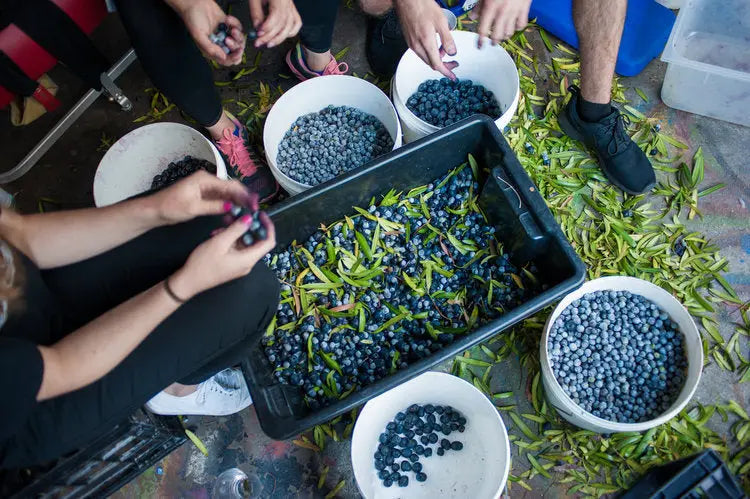
Illawarra Plum brings deep purple colour, native Australian provenance, and a subtle pine-resin fruit profile to cocktail work.
Safety Before Takeoff: Eat the Flesh, Not the Seed
The fleshy purple modified stalk of Illawarra Plum is the edible part. The exposed seed is toxic and should not be eaten. This distinction must be clear whenever Illawarra Plum is discussed in food, drinks, or public-facing education.
For Trolley’d, only clean, correctly identified fruit from appropriate sources should be used. Avoid road runoff, council-sprayed areas, dog-contaminated sites, and any harvesting location where chemical exposure is unclear. Leaving fruit for birds, wildlife, Traditional Custodians, and other people is part of the ethics, but clean sourcing is the commercial standard.
Botanical Boarding Pass
Scientific name: Podocarpus elatus.
Common names: Illawarra Plum, Plum Pine, Brown Pine, Yarri.
Aboriginal names recorded in the source material: Goongum, Daalgaal, Gidneywallum, Guruman, Burrawang.
Botanical family: Podocarpaceae.
Native habitat: Endemic to eastern Australia, particularly subtropical rainforest areas of New South Wales and Queensland. It grows in rainforest, coastal, and protected forest environments and is also used in urban and garden plantings.
Plant note: The edible purple “fruit” is a swollen modified stalk. The external seed is not edible.
Traditional Uses, Indigenous Food Knowledge and Autumn Harvest
Illawarra Plum has been valued as a native Australian food for generations. The fruit’s deep colour, distinctive flavour, and seasonal character make it one of the more useful native ingredients for modern Australian hospitality.
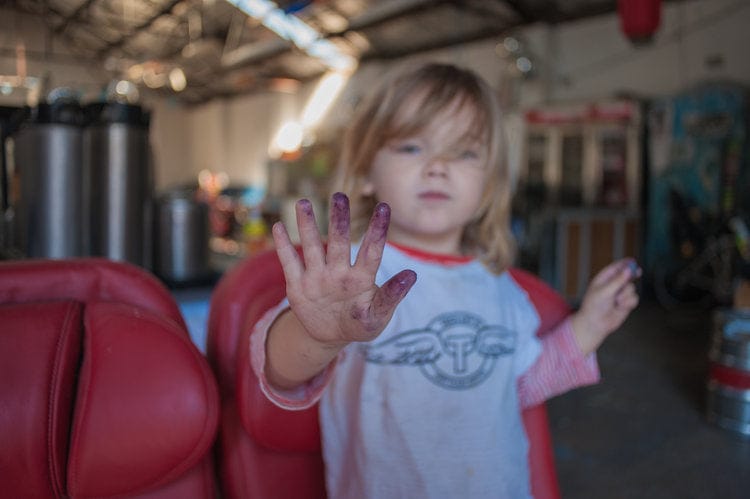
Trolley’d has used Illawarra Plum in cocktails, kombucha, and pop-up dinners, including work with Clayton Donovan. The fruit also has a strong visual life beyond the glass: the purple staining is so intense that it has even been tested as a natural dye for Trolley’d shirts.
The important line is respect. These are not just “cool local berries.” They are foods of Country, carried through living knowledge systems, modern native food work, and contemporary hospitality. Use them with care, credit, and proper sourcing.
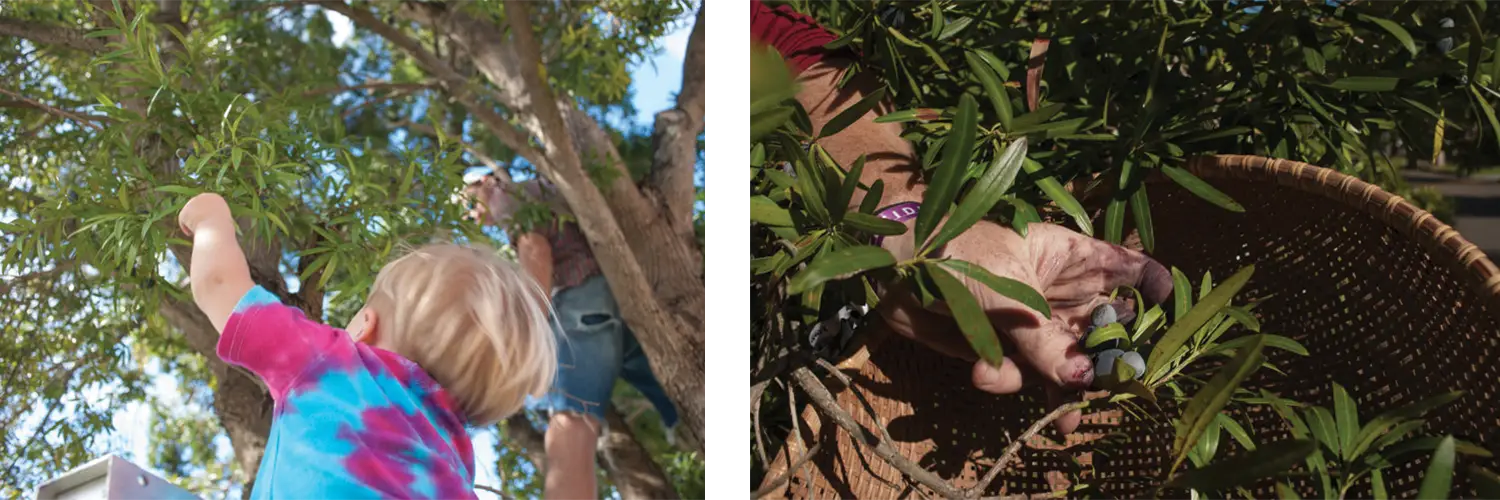
Illawarra Plum should be harvested carefully: ripe edible flesh only, seed discarded, and the tree left healthy for wildlife and future harvests.
How Illawarra Plum Lands in a Trolley’d Cocktail
Illawarra Plum is one of the best native cocktail ingredients because it has what most “interesting” ingredients do not: colour, acid, tannin, fruit depth, native provenance, and a flavour that can hold its own in a drink.
First-Class Uses
- Illawarra Plum syrup: strong for sours, spritzes, Collins-style drinks, and native botanical highballs.
- Illawarra Plum shrub: fruit, sugar, and vinegar for acidity, preservation, and food-friendly drinks.
- Kombucha and ferments: strong autumn R&D pathway for non-alcoholic and low-alcohol serves.
- Native fruit garnish: deep colour and story, provided the toxic seed is clearly removed.
- Brand activation drinks: excellent for corporate and cultural events where Australian provenance matters.
The best Trolley’d use is not “native fruit in a cocktail.” That is too small. The better use is a drink that explains season, place, colour, foraging, and the strange fact that the plum is not a plum at all.
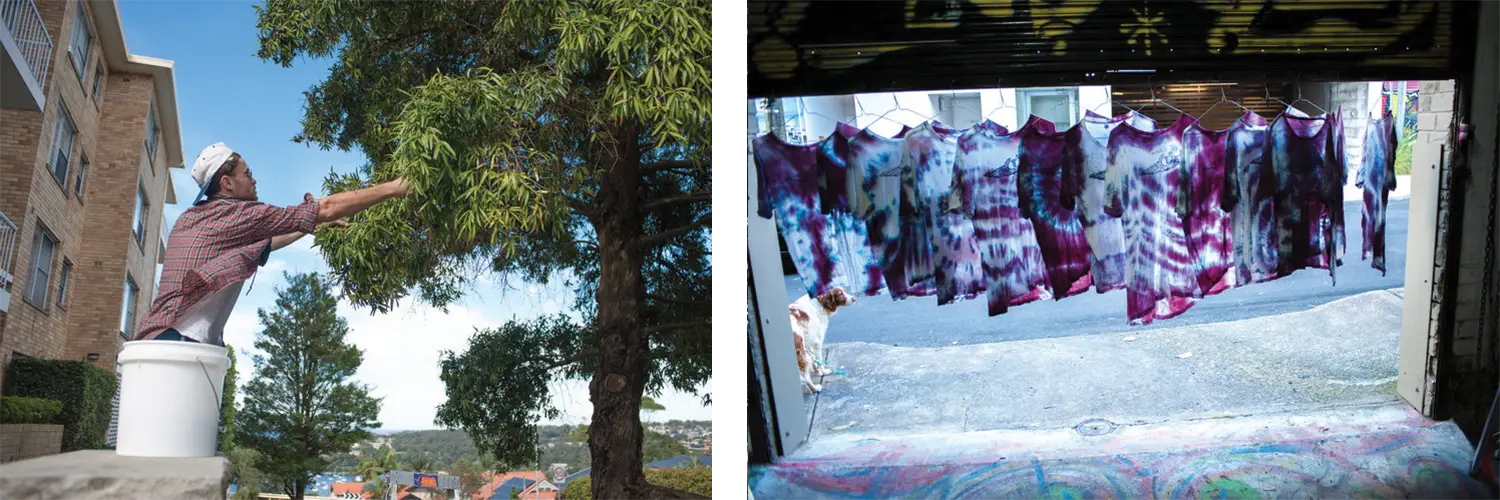
The purple pigment is part of the ingredient’s power: colour, mess, stain, memory.
Phytochemistry: Anthocyanins, Phenolics and Colour
Illawarra Plum is noted for its anthocyanin-rich phenolic content, which contributes to its deep purple colour and antioxidant activity. The fruit has been discussed as a valuable native Australian functional food ingredient because of its pigment, phenolics, and flavour potential.
The old draft says the fruit may help prevent cancer. That is the wrong claim for this page. A hospitality brand should not use disease-prevention language unless it has direct regulatory clearance and precise evidence. The stronger and safer position is: Illawarra Plum is a native fruit with notable antioxidant compounds and a serious role in flavour, colour, and provenance-led drinks.
History: Ancient Pine, Modern Glass
Illawarra Plum connects modern cocktail work to a much older botanical story. Unlike flowering plums, Podocarpus elatus belongs to a gymnosperm lineage, ancient seed plants that predate many familiar fruiting trees.
The plant’s common name is geographically misleading. Despite being called Illawarra Plum, it is not limited to the Illawarra region. Its wider east coast distribution and deep rainforest history make it part of a broader Australian food story.
It also connects old and new economies: Indigenous food knowledge, early settler use, rainforest ecology, native food agriculture, modern restaurants, and now Trolley’d’s aviation-themed cocktail world.
Powers, Folklore and Symbolism
The original draft claims Illawarra Plum is revered for spiritual and magical properties, protection, healing, and repelling negative energies. That may be possible in some knowledge contexts, but the wording is too broad without named sources, language group context, or permission.
The safer position is this: Illawarra Plum has cultural significance as a native food and should be discussed with respect. Do not invent or flatten First Nations spirituality to make a blog feel mystical. The fruit’s real story is strong enough.
Want Native Australian Fruit in the Glass?
Trolley’d creates native botanical cocktail classes, foraged drink experiences, and aviation-themed hospitality for private events, corporate activations, and selected destination experiences. Illawarra Plum is the kind of ingredient that makes a drink feel grounded in place, not copied from another menu.
Illawarra Plum FAQ
What is Illawarra Plum?
Illawarra Plum, Podocarpus elatus, is a native Australian plum pine. It is not a true plum. The edible purple portion is a fleshy modified stalk attached to an external seed. It is valued for its deep colour, plum-like flavour, and subtle pine-resin character.
Is Illawarra Plum edible?
The fleshy purple part is edible. The exposed seed is toxic and should not be eaten. Anyone using Illawarra Plum for food or drink must remove and discard the seed and use only correctly identified, cleanly sourced fruit.
What does Illawarra Plum taste like?
Illawarra Plum tastes plum-like, berry-rich, slightly tart, and subtly resinous or piney. The flavour works well in syrups, shrubs, ferments, native fruit cocktails, and non-alcoholic botanical drinks.
Can Illawarra Plum be used in cocktails?
Yes. Illawarra Plum is excellent for cocktails because it offers colour, acidity, native Australian provenance, and a distinctive pine-plum flavour. It can be used in syrups, shrubs, sours, spritzes, highballs, ferments, kombucha, and native botanical menus.
Is Illawarra Plum actually from the Illawarra?
Despite the name, Illawarra Plum is not restricted to the Illawarra region. It is endemic to eastern Australia and is associated with subtropical rainforest areas of New South Wales and Queensland, as well as cultivated and urban plantings.
What are Aboriginal names for Illawarra Plum?
Names recorded in the source material include Goongum, Daalgaal, Gidneywallum, Guruman, and Burrawang. Naming varies by language group and region. These names should be used with care, context, and respect.
Does Trolley’d use Illawarra Plum in events?
Yes. Trolley’d has used Illawarra Plum in cocktails, kombucha, pop-up dinners, and botanical drink development. It is especially useful for autumn menus, native fruit cocktails, and corporate activations where Australian provenance and visual impact matter.
Can I book a native cocktail class with Trolley’d?
Yes. Trolley’d hosts cocktail-making classes that can include native botanicals, seasonal ingredients, wild food stories, garnish technique, and non-alcoholic cocktail structure. These suit private groups, hens parties, corporate teams, and experience-led celebrations.
Glossary
Gymnosperm: An ancient group of seed-producing plants whose seeds are not enclosed inside fruit in the same way as flowering plants.
Podocarpaceae: A family of coniferous trees and shrubs that includes Podocarpus elatus.
Anthocyanins: Plant pigments responsible for many red, purple, and blue colours in fruits and flowers.
Phenolics: Plant compounds often associated with colour, flavour, astringency, and antioxidant activity.
Flavonoids: A large class of plant compounds studied for antioxidant and sensory properties.
Tannins: Astringent compounds that can contribute structure and drying sensation in fruit, tea, and wine.
Stilbenoids and lignans: Plant compounds found in various fruits, seeds, woods, and plant tissues, often studied in natural products chemistry.
Acknowledgments and Sources
- Low, T. 1991, Wild Food Plants of Australia, HarperCollins Publishers, Sydney.
- Source draft provided by Trolley’d, including Illawarra Plum harvesting notes, Trolley’d cocktail use, Clayton Donovan pop-up dinner reference, and traditional name references.
- Additional native food, ethnobotanical, and horticultural context should be verified before adding stronger claims around medicinal use, First Nations cultural use, or disease-prevention benefits.
Trolley’d is an Australian experiential hospitality company founded by Byron Woolfrey, deploying premium aviation assets with native botanical cocktails for Sydney events and selected destination activations.